QUAND LES ANIMAUX SAUVAGES EMMÉNAGENT EN VILLE
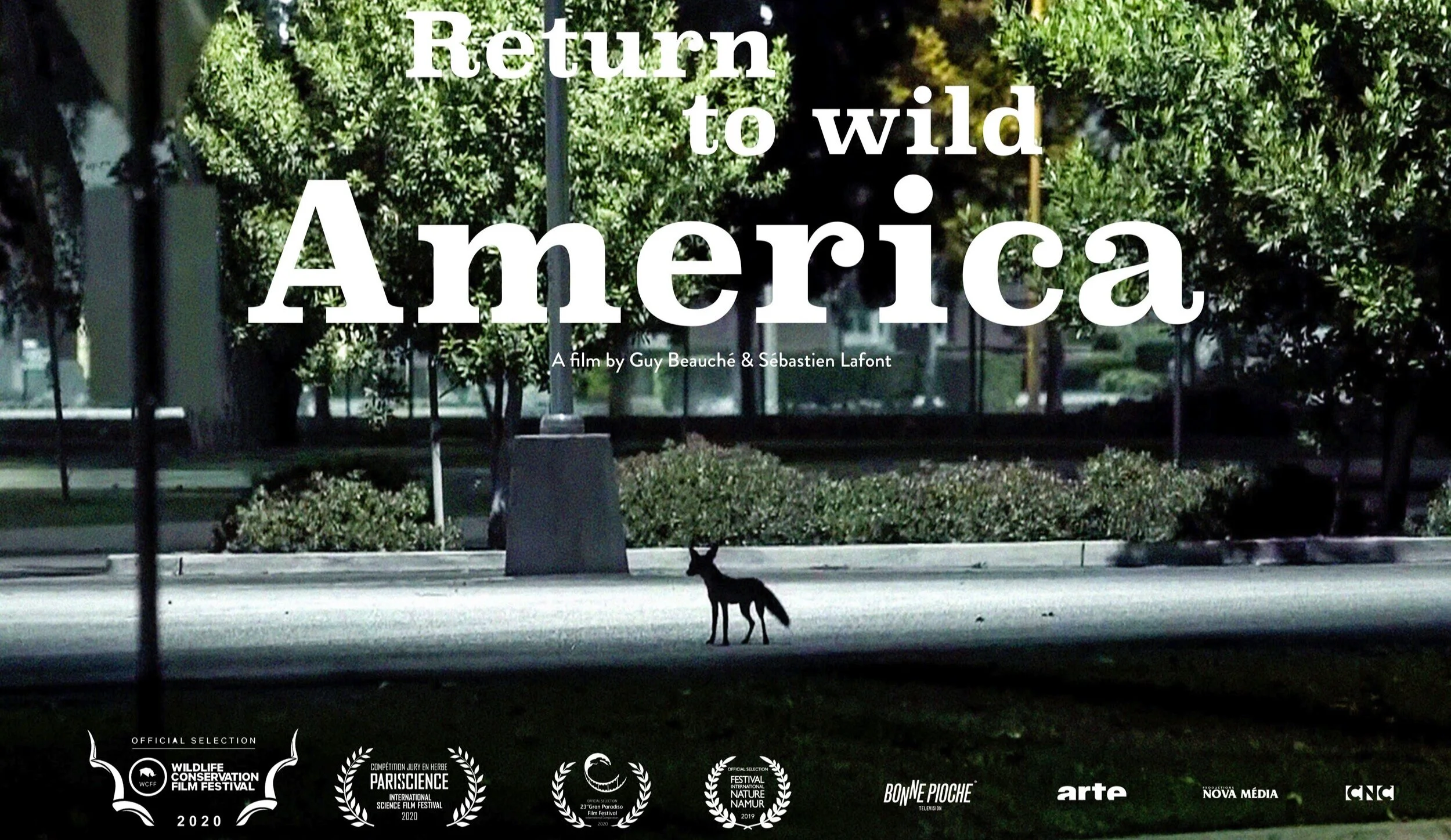
RETURN to WILD AMERICA

La côte est de l’Amérique du Nord est plantée d’une immense forêt qui s’étend du Québec à la Floride. Depuis toujours, elle abrite de nombreux animaux comme les ours noirs, les cerfs à queue blanche ou les ratons laveurs. Mais l’homme a transformé ce paysage. Des villes ont remplacé les bois, se nichant au cœur des chênes et des érables. Les espèces animales qui ont survécu ont appris à vivre dans ce nouvel habitat où la nourriture est abondante et les prédateurs inexistants. Ainsi ours noirs, cerfs à queue blanche et ratons laveurs sont aujourd’hui chez eux dans de nombreuses villes de la côte est. Citoyens et scientifiques s’efforcent alors de trouver des solutions pour que cette cohabitation profite aux hommes comme aux animaux.

Les espèces animales disparaissent à un rythme effréné. Pourtant aux États-Unis et au Canada certains animaux résistent en trouvant refuge dans les villes. Ils ont élu domicile dans les rues, les parcs et les jardins et font régulièrement la une des médias. En Amérique du Nord, la frontière entre la civilisation et la nature n’a sans doute jamais été aussi fine. Citadins et scientifiques cherchent comment cohabiter avec cette faune sauvage urbaine qui bouscule toutes les règles.

Une série documentaire (3x52min) écrite et réalisée par Guy Beauché et Sébastien Lafont / Production : Bonne Pioche, Nova Media / Diffusion : Arte, Radio-Canada, RTS, Curiosity Stream, RTP, RTBF, Polsat…

Sélections : Wildlife Conservation Film Festival (USA) - GranParadiso Film Festival (Italy), Pariscience (France), Nature Namur (Belgium)
—————————

Urbanisation is replacing wild habitats at a crazy pace all around the globe. But some surprising species are adapting to the turmoils of urban jungles and now thrive in cities. We believe the future of preserving wildlife is not only through national parks and protected areas but also lies in our ability to welcome these animals in our neighbourhoods. This shift towards considering cities like viable ecosystems is not only beneficial to animals but to human beings too. Urbanites have a unique chance to reconnect with wildlife and to live better lives in greener cities. How far are we ready to go to welcome wild animals in urbanized areas ? Birds, mammals, carnivores, herbivores… we think the more is the better. And our ambition for our series is to show that embracing urban wildlife is a necessary and essential step to face the ecological challenges of the future. 

A 3x52min documentary series written and directed by Guy Beauché and Sébastien Lafont / Production : Bonne Pioche, Nova Media / Channels : Arte, Radio-Canada, RTS, Curiosity Stream, RTP, RTBF, Polsat…

Selections : Wildlife Conservation Film Festival (USA) - GranParadiso Film Festival (Italy), Pariscience (France), Nature Namur (Belgium)

Urbanisation is replacing wild habitats at a crazy pace all around the globe. But some surprising species are adapting to the turmoils of urban jungles and now thrive in cities. We believe the future of preserving wildlife is not only through national parks and protected areas but also lies in our ability to welcome these animals in our neighbourhoods. This shift towards considering cities like viable ecosystems is not only beneficial to animals but to human beings too. Urbanites have a unique chance to reconnect with wildlife and to live better lives in greener cities. How far are we ready to go to welcome wild animals in urbanized areas ? Birds, mammals, carnivores, herbivores… we think the more is the better. And our ambition for these films is to show that embracing urban wildlife is a necessary and essential step to face the ecological challenges of the future.  A 3x52min documentary series written and directed by Guy Beauché and Sébastien Lafont / Production : Bonne Pioche, Nova Media / Channels : Arte, Radio-Canada, RTS, Curiosity Stream, RTP, RTBF, Polsat… Festivals selections : Wildlife Conservation Film Festival, Nature Namur, GranParadiso FIlm Festival, Pariscience (Jury en herbe)
Les espèces animales disparaissent à un rythme effréné. Pourtant aux États-Unis et au Canada certains animaux résistent en trouvant refuge dans les villes. Ils ont élu domicile dans les rues, les parcs et les jardins et font régulièrement la une des médias.